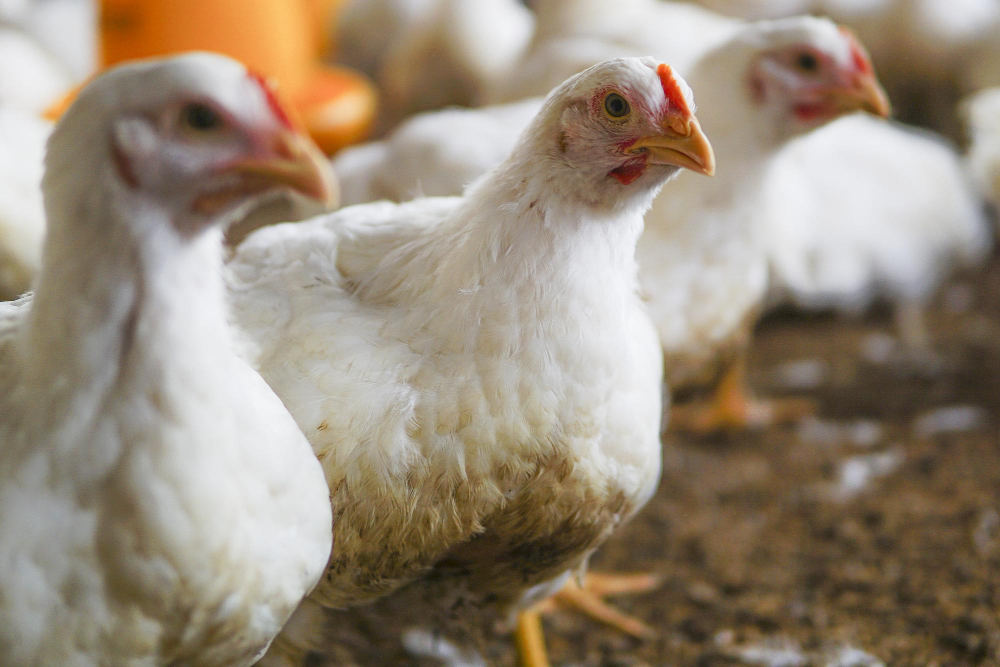
Broiler farming represents one of the most accessible and potentially profitable agricultural ventures in South Africa today. With growing demand for chicken meat, relatively short production cycles, and opportunities at every scale from backyard operations to commercial farms, it's no wonder that more people in South Africa are considering starting broiler chicken production.
But here's the reality that many aspiring farmers don't anticipate: success in broiler farming isn't just about buying day old broiler chicks and feeding them until they're ready to sell. It requires understanding genetics, nutrition, biosecurity, environmental management, and market dynamics. The difference between profitable operations and those that struggle often comes down to knowledge, preparation, and choosing the right partners.
This comprehensive guide walks you through everything you need to know about starting broiler farming South Africa. Whether you're a complete beginner exploring the possibility of raising a few hundred chickens or an experienced farmer looking to add broilers to your existing operation, this guide provides the foundation you need to make informed decisions and set yourself up for success.
Understanding the Broiler Farming Opportunity in South Africa
Before we dive into the practical details of setting up and running a broiler operation, let's talk about why South Africa offers such favorable conditions for broiler farming.
The country's population density creates consistent demand, and the network of hawkers, informal markets, retailers, and restaurants provides multiple channels for selling your birds.
The infrastructure in South Africa also works in favor of broiler farmers. Road networks are excellent, making it possible to receive supplies reliably and get your finished products to market efficiently. Electricity access (load-shedding challenges notwithstanding) is better than in many rural areas. And critically, you have access to quality suppliers of day old chicks, feed, medications, and equipment without needing to travel excessive distances.
The climate in South Africa is remarkably well-suited to broiler production. The region doesn't experience the extreme humidity of coastal areas, which can contribute to respiratory problems in chickens. Winter temperatures, while requiring some heating management, are generally moderate compared to truly cold regions. Summer heat can be managed with proper ventilation and shade.
Perhaps most importantly, South Africa has an established poultry industry ecosystem. This means you have access to veterinary expertise, technical support, experienced suppliers who understand the local challenges, and a community of other farmers you can learn from.
The Economics of Broiler Farming: What to Expect
Let's address the question everyone asks: "Is broiler farming profitable?" The answer, like with most agricultural ventures, is: it depends.
Broiler farming can absolutely be profitable, but profitability depends on several factors including your scale of operation, efficiency in production, feed costs, your ability to source quality day old broiler chicks at competitive prices, mortality rates, and most critically, your access to markets willing to pay fair prices.
Successful small-scale broiler farmers in South Africa typically operate on relatively thin margins per bird but make money through volume and repeat cycles. If you're raising 500 birds per cycle and can achieve six cycles per year, that's 3,000 birds annually. Even modest profit per bird adds up with that kind of volume.
The key to profitability is understanding your costs completely. Your major expense categories will be:
Day Old Chicks: This is typically your second-largest expense after feed. Quality matters enormously here – cheaper chicks that don't perform well or have high mortality rates aren't actually cheaper in the end. Reliable suppliers of broiler chicks in South Africa, like Alfa Chicks have built their reputations on consistent quality, which directly impacts your bottom line.
Feed: This usually represents 60-70% of your total production costs. Feed conversion ratio (how efficiently birds convert feed to meat) is one of the most important metrics in broiler production. Quality feed is essential, and many farmers benefit from relationships with reputable suppliers like Bitek, who provide soap and disinfectants for chicken equipment.
Vaccinations and Health Management: Preventive health care is far cheaper than treating disease outbreaks. Working with suppliers like Super Agri Science for quality veterinary products ensures you're protecting your investment. Vaccines, medications, and health supplements might seem like an expense, but they're actually insurance against much larger losses.
Infrastructure: Your housing, feeders, drinkers, heating equipment, and other capital expenses need to be amortized over time. Many new farmers underestimate these initial costs.
Labor: Even small operations require significant time and attention. Whether you're doing the work yourself or hiring help, this represents a real cost.
Utilities: Water, electricity (especially for heating young chicks and lighting), and backup power solutions in case of load-shedding all contribute to your operational costs.
The good news is that with proper management, achieving profitability is very realistic. Farmers who focus on efficiency, maintain good biosecurity to minimize losses, and develop reliable markets typically find broiler farming to be a worthwhile venture.
Choosing Your Production Scale: Starting Right-Sized
One of the first decisions you'll make is what scale of operation to start with. This decision should be based on your available capital, time, space, experience level, and market access.
Small Scale (100-500 birds per cycle)
This is where most new farmers should start. It allows you to learn the ropes without risking enormous capital. At this scale, you can often manage the operation yourself or with minimal help. You'll likely sell through informal channels – hawkers, direct to consumers, or local businesses. Infrastructure requirements are manageable, and you can often start with a modified existing structure.
The advantage of starting small is that mistakes, while still costly, won't devastate you financially. You'll learn critical lessons about brooding, feeding, disease prevention, and marketing that will serve you well as you scale up. Many successful commercial farmers started with just a few hundred birds and grew their operations systematically as they gained experience and market access.
Medium Scale (500-2,000 birds per cycle)
At this level, broiler farming starts to look more like a business and less like a supplementary activity. You'll likely need at least part-time labor in addition to your own efforts. Infrastructure needs to be more formalized – purpose-built housing rather than converted structures. Feed efficiency and health management become increasingly important because inefficiencies multiply across larger numbers.
Medium-scale operations typically need more formal market channels. You might supply restaurants, sell to hawkers in volume, or have relationships with local retailers. At this scale, consistency matters – your buyers expect regular supply, which means planning multiple cycles throughout the year.
Commercial Scale (2,000+ birds per cycle)
Commercial operations are genuine businesses requiring significant capital investment, formal business planning, hired labor, and relationships with formal markets or processing facilities. While potentially more profitable in absolute terms, they also carry more risk and require more sophisticated management.
Most farmers reading this guide should think in terms of starting small or medium scale. You can always grow. It's much harder to recover from overleveraging yourself in a commercial operation before you understand all the variables.
Selecting Quality Day Old Broiler Chicks: The Foundation of Success
Your entire production cycle begins with the quality of day old chicks you purchase. This single decision influences everything that follows – growth rates, feed conversion efficiency, health challenges, uniformity at market, and ultimately your profitability.
When sourcing broiler chicks in South Africa, you need to consider several factors:
Genetic Lines
The major broiler genetics used in South Africa are Ross (particularly Ross 308), Cobb (especially Cobb 500), and Arbor Acres. These have all been selected for fast growth, excellent feed conversion, and meat yield. Each has slight differences in growth patterns and management requirements, but all can perform excellently with proper management.
What matters more than which specific genetic line you choose is the quality of the breeding and hatchery management behind those genetics. This is where choosing a reliable supplier of day old broiler chicks becomes critical.
Supplier Reputation and Consistency
Working with established suppliers who have built their reputation over decades makes an enormous difference. Alfa Chicks, for instance, has been serving farmers throughout South Africa, Mpumalanga, Limpopo, and beyond since 1986. That kind of longevity tells you something important – they've maintained quality and service through multiple economic cycles, disease challenges, and industry changes.
Consistency matters as much as quality. When you work with the same reliable supplier, you learn what to expect from their chicks. You develop relationships where the supplier understands your operation and can provide relevant advice. And critically, you have someone to turn to when challenges arise.
Vaccination Status
Many hatcheries offer day old chicks with certain vaccinations already administered at the hatchery. This is enormously valuable as it ensures proper vaccination timing and technique. When evaluating suppliers, ask about their standard vaccination protocols and what additional vaccinations they can provide if requested.
Delivery and Service
Chicks need to be transported carefully to minimize stress and maintain proper temperature. The best suppliers have refined their logistics to ensure chicks arrive at your farm in optimal condition. They also provide delivery options throughout their service area, which in Alfa Chicks' case includes extensive coverage throughout South Africa and neighboring provinces.
Technical Support
The relationship with your chick supplier shouldn't end at delivery. The best suppliers provide ongoing technical support, helping you troubleshoot challenges and optimize your management practices. Alfa Chicks, for example, provides extensive educational resources, hosts farmer's days, and maintains communication channels where farmers can get advice.
When you're purchasing day old broiler chicks, you're not just buying birds – you're choosing a partner for your farming operation. Make this decision carefully.
Infrastructure Essentials: Setting Up Your Broiler House
Before your first batch of day old chicks arrives, you need housing that meets their needs. While infrastructure requirements vary with scale, certain principles apply regardless of whether you're raising 100 or 2,000 birds.
Housing Design Fundamentals
Your broiler house needs to provide protection from predators and weather, allow for temperature control, provide adequate ventilation, be easy to clean and disinfect, and allow for efficient feeding and watering systems.
Many small-scale farmers start by converting existing structures – old storerooms, garages, or other buildings. This can work if the structure meets the basic requirements, but be honest in your assessment. Poor housing leads to poor performance, which means poor profitability.
Floor Space Requirements
Overcrowding causes stress, increases disease transmission, and reduces growth rates. As a general guideline, plan for approximately 10-12 birds per square meter for a standard 35-42 day production cycle. If you're growing birds to heavier weights, you'll need more space per bird.
Ventilation
This is one of the most commonly overlooked aspects of broiler housing, yet it's absolutely critical. Chickens produce significant amounts of moisture and ammonia. Without adequate ventilation, air quality deteriorates rapidly, leading to respiratory problems, reduced growth, and increased mortality.
In South Africa's climate, you need a ventilation system that can handle both summer heat and winter cold. In summer, maximizing airflow keeps birds cool and removes moisture. In winter, you need to balance ventilation (for air quality) with heat retention. Many farmers use adjustable side panels or curtains that can be opened or closed based on conditions.
Heating Systems
Day old chicks cannot regulate their own body temperature for the first 10-14 days of life. You must provide supplemental heat during this brooding period. Options range from gas brooders to infrared heaters to heat lamps, depending on your scale and budget.
The key is providing consistent, reliable heat that creates the right temperature at chick level. Many new farmers make the mistake of measuring temperature at their own height rather than at the floor where chicks actually live.
Lighting
Chickens need light to find food and water. Most broiler programs use near-continuous lighting (23 hours light, 1 hour dark) for the first week, then gradually reduce to 18-20 hours of light. Proper lighting management encourages feed consumption and supports optimal growth.
Feeding and Watering Systems
Your system needs to provide all birds with easy access to feed and water throughout the production cycle. For small operations, simple tube feeders and drinkers work fine. As you scale up, automated systems become more practical.
Calculate how many feeding and watering points you need based on your stocking density, and then add 20% more. It's far better to have too many than too few.
Feed Management: Optimizing Growth and Efficiency
Feed is your largest ongoing expense in broiler production, typically representing 60-70% of total costs. Understanding feed management is therefore critical to profitability.
Broiler chickens require different nutrition at different life stages, which is why feed comes in three main types:
Starter Feed (Day 1 to Day 21)
This is high-protein feed (typically 21-23% crude protein) designed for the critical early growth phase. The first two weeks of a broiler's life are absolutely crucial – chicks that get off to a good start on quality starter feed will outperform throughout their entire lives.
Quality matters enormously with starter feed. This is not the place to cut costs. Chicks' digestive systems are still developing, and they need highly digestible nutrients. Many farmers report that switching to higher-quality starter feed improved their overall production results even though the feed cost more.
Grower Feed (Day 22 to Day 42)
This transitional feed (typically 19-21% crude protein) supports the rapid growth phase. Broilers put on significant weight during this period, and the grower feed provides the protein and energy needed for muscle development.
Finisher is only used when the chickens have reached the desired weight and, for some reason, cannot yet be slaughtered or sold. The chickens still need to be fed, and finisher feed does not make the chickens gain extra fat; it is basically just for maintenance.
The timing of switches between feed types can be adjusted based on your birds' development and your target market weight. Consult with your feed supplier or nutritionist about optimal timing for your specific situation. Meadow Feeds is a supplier of high quality feeds and one that we recommend. (https://www.meadowfeeds.co.za/)
Feed Management Best Practices
- Always ensure feed is available. Broilers should have access to feed essentially 24 hours a day (some farmers practice short fasting periods, but this requires careful management). Any time birds can't access feed, you're losing potential growth.
- Store feed properly to maintain freshness and prevent contamination. Feed should be kept dry, protected from rodents and wild birds, and used in rotation (first in, first out).
- Monitor feed consumption daily. Changes in feed intake often signal health problems before you see other symptoms. If birds suddenly aren't eating normally, investigate immediately.
- Calculate and track your feed conversion ratio (FCR) – how much feed is required to produce one kilogram of live weight. Target FCR for broilers is typically 1.6-1.9 (meaning 1.6-1.9 kg of feed produces 1 kg of chicken). If your FCR is worse than this, identify why – it could be feed quality, health issues, environmental problems, or genetic factors.
Health Management: Prevention is Everything
In broiler farming, preventing disease is infinitely easier and cheaper than treating it. A solid health management program is essential for success.
Biosecurity Fundamentals
Biosecurity means preventing disease-causing organisms from entering your farm and spreading between batches of birds. Key biosecurity measures include:
- Controlling access to your broiler house (limiting visitors, requiring footbaths and hand washing)
- Preventing contact with wild birds and rodents
- Cleaning and disinfecting thoroughly between batches
- Isolating new birds from existing flocks
- Proper disposal of dead birds
- Quarantine procedures if bringing equipment or materials from other farms
Vaccination Programs
Work with your chick supplier and veterinarian to develop appropriate vaccination protocols. Common vaccinations for broilers address diseases like Newcastle disease, infectious bronchitis, and infectious bursal disease (Gumboro).
Many suppliers of day old broiler chicks in South Africa, including Alfa Chicks, offer chicks that come pre-vaccinated for certain diseases at the hatchery. This is valuable because timing and technique matter with vaccinations – hatchery vaccination ensures it's done right at the optimal time.
Water Quality
Clean water is essential for bird health. Water lines should be cleaned regularly, and water quality should be tested periodically. Poor water quality can increase disease risk and reduce performance.
Veterinary Support
Develop a relationship with a poultry veterinarian before you need one. Having expert help available when disease strikes can mean the difference between a small problem and a devastating outbreak. Companies like Super Agri Science provide both products and expertise to help manage poultry health.
Monitoring and Early Detection
Walk through your birds multiple times daily, observing their behavior, activity level, feed and water consumption, droppings, and general appearance. Learn what normal looks like so you can quickly identify when something is wrong.
Early detection of problems allows for earlier intervention, which almost always means better outcomes and lower costs.
Marketing Your Broilers: From Farm to Table
Growing healthy chickens is only half the battle – you also need to sell them profitably. Marketing deserves serious thought before you start production.
Understanding Your Market Options
Live Bird Sales
Many small to medium-scale farmers sell live chickens, either to hawkers who resell them or directly to consumers. This is popular in rural and township areas where buyers prefer to purchase live birds and process them at home.
Advantages include no processing costs, cultural preference in certain markets, and ability to keep birds alive longer if market timing isn't perfect. Disadvantages include lower prices per kilogram compared to processed birds and potentially more limited market access.
Processed Bird Sales
Selling processed, packaged chickens opens different markets including retailers, restaurants, and urban consumers. You'll need relationships with licensed abattoirs for processing, which adds to your costs but also adds value that consumers will pay for.
Developing Your Market
Start marketing before you start production. Don't wait until you have birds ready to sell to begin looking for buyers. Build relationships with potential customers early.
Consider your location's advantages. In South Africa's urban and peri-urban areas, you have access to diverse markets. Identify which market segments make most sense for your scale and capabilities.
Build a customer database and communicate regularly about when you'll have birds available. Reliability matters – customers who know they can count on you for consistent supply will become loyal buyers.
Price appropriately. Know your costs completely so you can price to ensure profitability while remaining competitive. Don't underprice just to make sales – you'll go broke selling below cost even if you're busy.
Network with other farmers. They can provide market intelligence, might become customers themselves, and can offer advice about which buyers are reliable.
Record Keeping: Managing Your Business
Successful broiler farming requires treating it as a business, which means keeping accurate records. Many small farmers skip this, then struggle to understand why some cycles are profitable and others aren't.
Track key metrics including:
- Number of day old chicks purchased and cost per chick
- Feed purchases (type, quantity, cost) and consumption by week
- Mortality (daily dead bird counts with notes on symptoms)
- Weekly weights of sample birds
- Medication and vaccination costs and timing
- Labor hours and costs
- Utility costs
- Market prices achieved and sales channels used
- Total revenue and profit/loss per cycle
This information allows you to calculate your actual costs, identify trends, pinpoint problem areas, compare cycle to cycle performance, and make data-driven decisions about how to improve.
Simple spreadsheets work fine for most farmers. The key is consistency – record information every day, not trying to recreate it from memory weeks later.
Common Mistakes to Avoid
Learn from others' experience. Here are mistakes that trip up many new broiler farmers:
Underestimating Capital Requirements
Starting small is smart, but you still need adequate capital for infrastructure, initial chick and feed purchases, and operating expenses until your first sales. Many farmers start undercapitalized and struggle to maintain the conditions needed for good performance.
Compromising on Chick Quality
Buying cheap day old chicks from questionable sources almost always backfires. Poor quality chicks mean higher mortality, slower growth, worse feed conversion, and more health challenges. The small savings on chick cost gets swamped by these downstream problems.
Inadequate Biosecurity
Many new farmers don't take biosecurity seriously until they experience disease problems. By then it's too late. Build good biosecurity habits from day one.
Poor Environmental Control
Temperature, ventilation, and lighting matter enormously. Trying to raise broilers in unsuitable housing leads to poor performance at best and complete failure at worst.
Starting Too Large
The temptation to start with a large-scale operation to "make it worthwhile" causes many failures. Start at a scale where you can learn without betting everything on your first cycle.
Neglecting Market Development
Don't assume markets will be there when you need them. Start building market relationships early.
Ignoring Technical Education
Broiler farming is more complex than it appears. Take advantage of educational resources, farmer's days, technical manuals, and advice from experienced suppliers like Alfa Chicks.
The Alfa Chicks Advantage: Support for Your Success
When you're starting broiler farming in South Africa, choosing the right supplier for your day old broiler chicks makes an enormous difference to your success.
Alfa Chicks has supported farmers throughout South Africa since 1986. This longevity reflects a commitment to quality, service, and farmer success that goes beyond just selling chicks.
What sets Alfa Chicks apart includes:
- Consistent supply of high-quality day old broiler chicks from proven genetics
- Extensive delivery coverage throughout large regions in South Africa
- Technical support and educational resources to help farmers succeed
- Supply of not just chicks but also equipment, medications, and other necessities
- Family-owned business approach that values long-term relationships
- Understanding of challenges facing small to medium-scale farmers
Many of Alfa Chicks' customers have been working with them for years, even generations. That kind of loyalty tells you something important about the company's commitment to farmer success.
Resources for Continued Learning
Broiler farming requires continuous learning. Take advantage of resources including:
- Technical manuals from genetics companies (Ross, Cobb) available through suppliers
- Farmer's days and training sessions hosted by suppliers
- Online resources and guides
- Extension services and agricultural colleges
- Other farmers (join farmer groups or networks)
- Veterinary advice and poultry health specialists
Alfa Chicks provides various educational resources and maintains communication channels where farmers can get advice and support. Take advantage of these – they're designed to help you succeed.
Taking the First Step
Starting broiler farming in South Africa offers real opportunities for those willing to approach it seriously. Success requires preparation, ongoing learning, attention to detail, and partnership with reliable suppliers.
Your first step should be education – read widely, attend farmer's days, talk to successful farmers. Your second step is creating a realistic business plan including capital requirements, infrastructure needs, and market access. Your third step is connecting with quality suppliers of day old broiler chicks, feed, equipment, and veterinary products.
Alfa Chicks stands ready to support farmers at every scale, from those buying their first few hundred chicks to established operations ordering thousands. With quality genetics, reliable delivery throughout South Africa, technical support, and a genuine commitment to farmer success, Alfa Chicks represents the kind of partner new broiler farmers need.
The broiler farming opportunity in South Africa is real. With proper preparation, quality inputs like those available from Alfa Chicks and partners like Bitek for soap and disinfectants and Super Agri Science for health products, and dedication to continuous improvement, you can build a profitable broiler farming operation.
Your journey toward successful broiler farming begins with a single step. Make that step a conversation with experienced suppliers who understand both the opportunities and challenges you'll face, and who are committed to helping you succeed.
Related Guides
- Day Old Broiler Chicks: Everything You Need to Know Before Placing Your First Order
- Broiler Chicken Management: Your Complete Day 1 to Market Day Guide
- The Complete Broiler Farming Setup Guide for South African Farmers
Alfa Chicks has been supplying trusted stock to farmers since 1986. Contact us to place an order, check availability, or get product information.
Call: 012 561 1205 / 087 985 0603
WhatsApp: Available
Email: [email protected]
Contact us: https://alfachicks.co.za/contact


